Victrola: The Miracle of Music
Today, we are constantly surrounded by entertainment—music and voices flowing endlessly from our phones, speakers, and screens. But just over a century ago, personal access to recorded sound was nothing short of miraculous. The ability to hear the human voice or a full orchestra at home was a revolutionary breakthrough that forever changed how people experienced music.
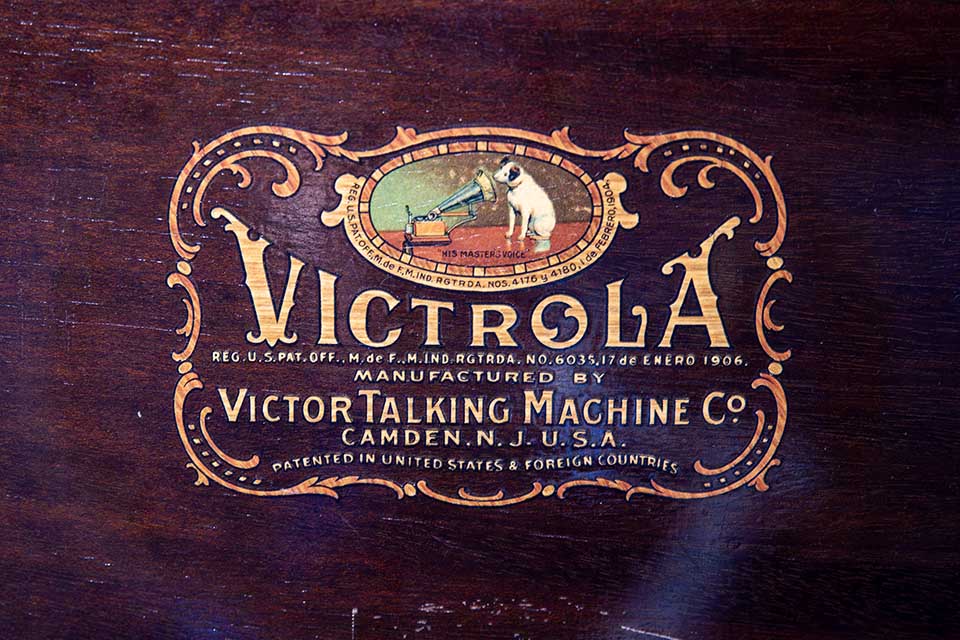
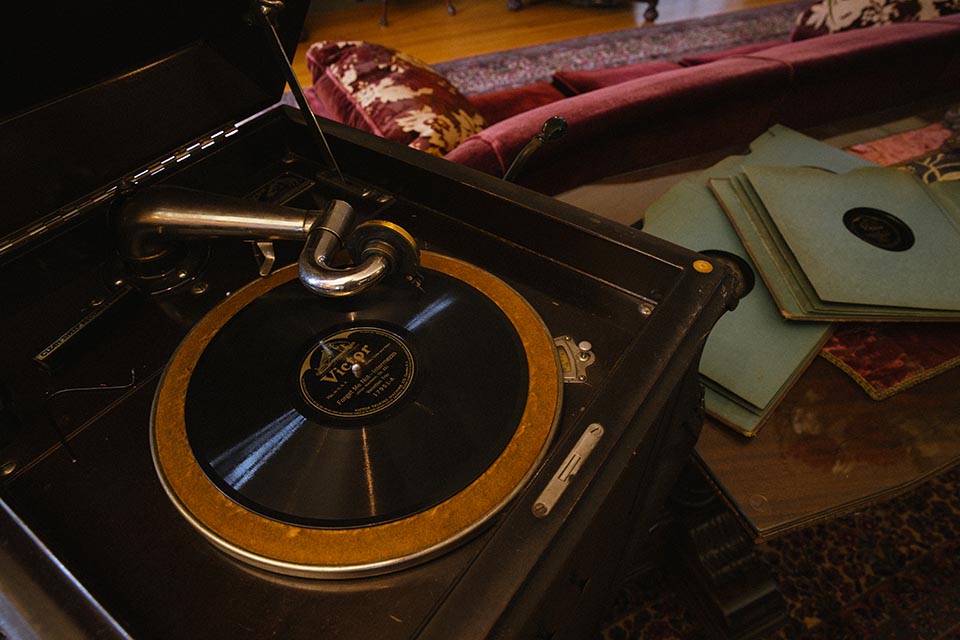
That revolution arrived at the turn of the 20th century with the rise of the Victor Talking Machine Company, founded in East Camden, New Jersey, in 1906. Victor quickly became the leading manufacturer of phonographs and records, bringing popular music directly into American homes. Their iconic trademark, \"His Master's Voice,\" and the beautifully crafted Victrola transformed recorded sound from a novelty into a cherished part of everyday life.
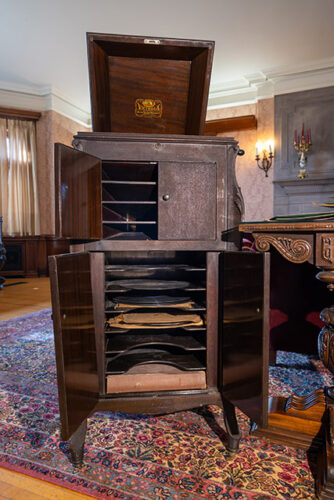
What set the Victrola apart was not only its sound, but its design. Housed in elegant wooden cabinets with hidden internal horns, these machines blended seamlessly into the home—looking more like fine furniture than technology. Families gathered around them to listen to opera stars, jazz bands, and popular songs of the day, sharing music together in a way never before possible.
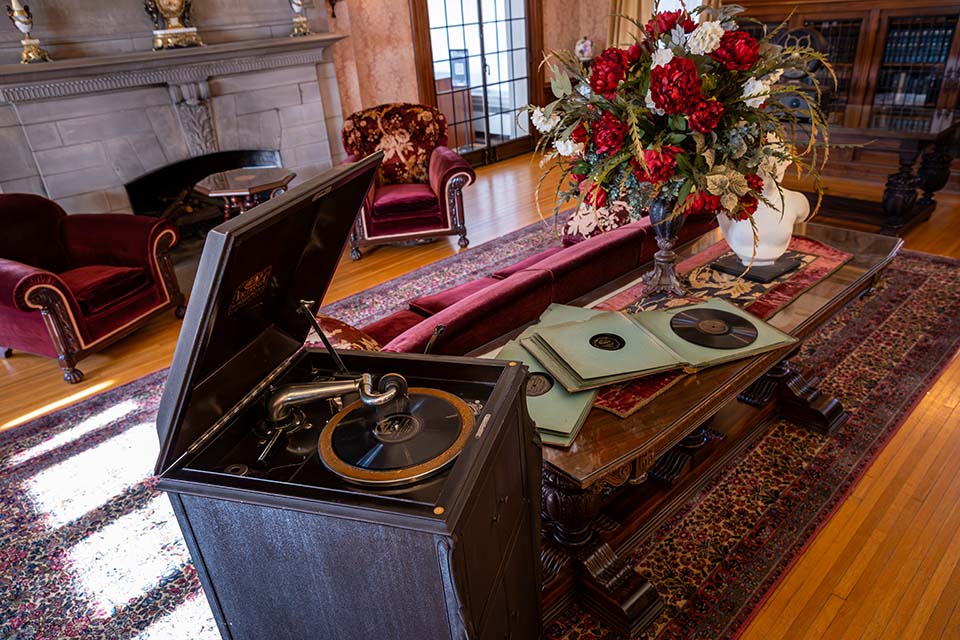
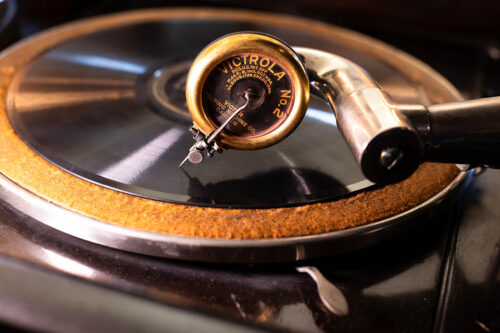
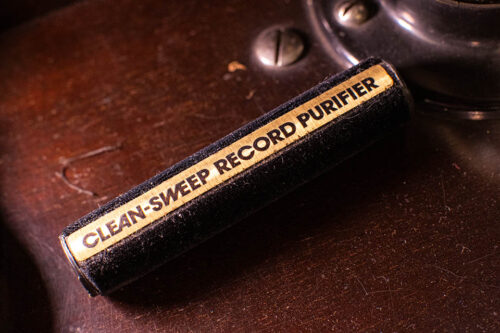
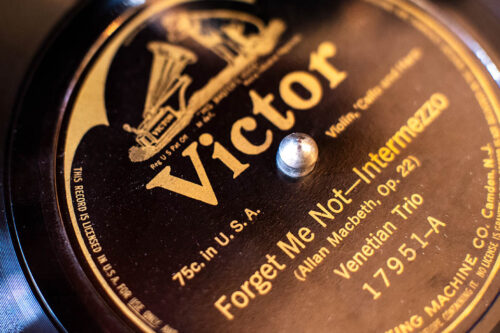
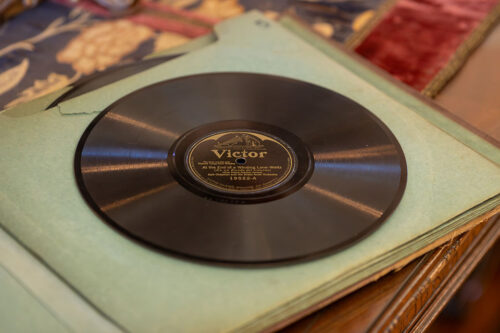
The Victrola on display in the American Innovation Tour is an early example of this cultural milestone. From Mrs. Hoyt's own journal writings, we know that she and her husband were avid music lovers – attending live performances, collecting recordings, and filling their home with the melodies of their time. The Victrola allowed them to bring those experiences indoors, turning listening into a shared, intimate ritual.
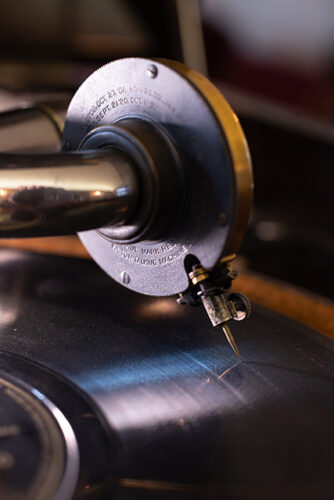
More than a machine, the Victrola represents the birth of home entertainment and the moment music truly entered daily life. Every playlist and speaker we enjoy today traces its roots back to this elegant cabinet—and the wonder it inspired when the needle first touched the record.