How a $1 Camera Changed the Way the World Sees Itself
Photography gives us a powerful way to express who we are, tell stories, and share moments that matter. It freezes time—capturing memories, documenting history, and helping us understand the world through images. From journalism and advertising to personal relationships and family albums, photography shapes how we communicate and remember.
But for much of history, photography wasn't for everyone.
Early cameras were expensive, complicated, and required technical knowledge most people didn't have. That all changed at the turn of the 20th century, thanks to a small, unassuming cardboard camera that would forever change visual storytelling: the Kodak Brownie.
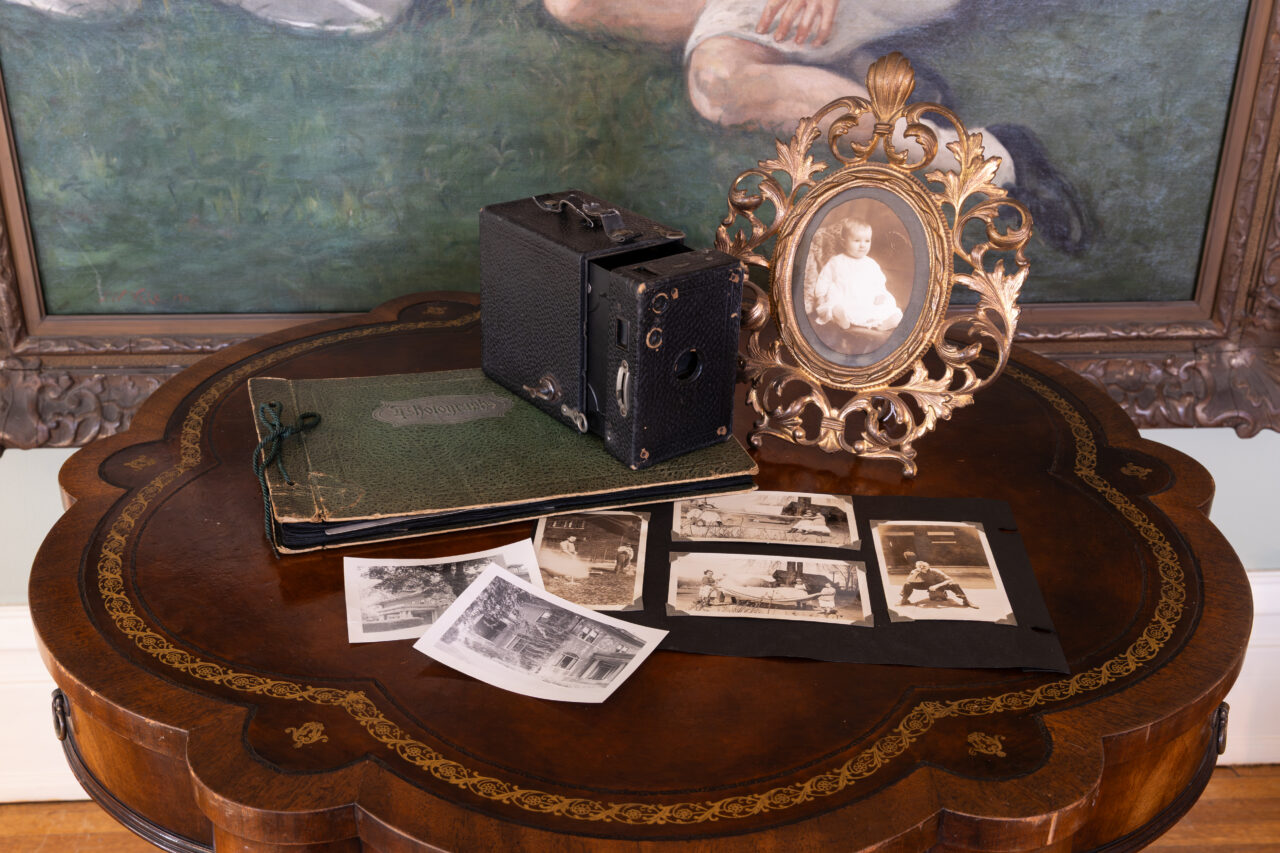
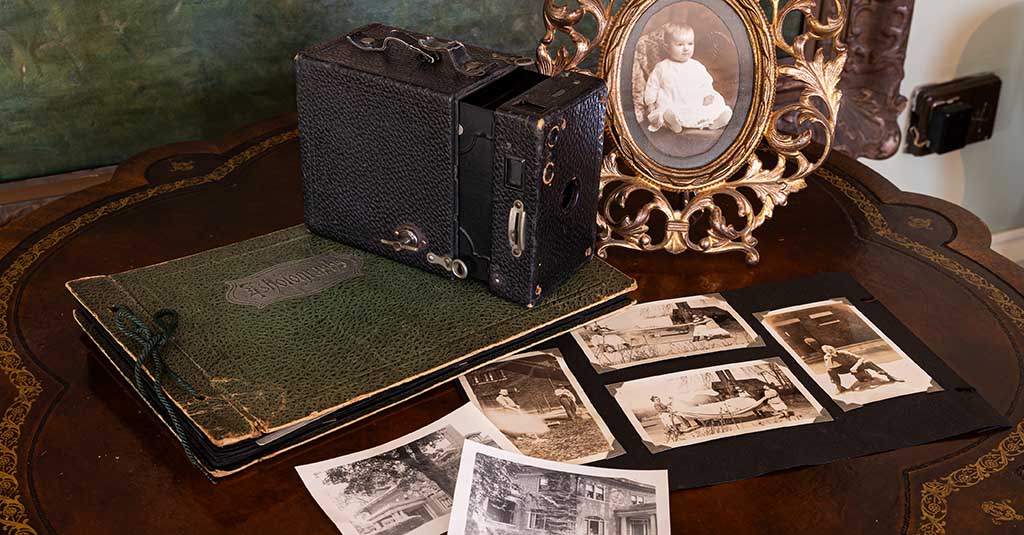
Released in 1900 by Eastman Kodak and designed by Frank A. Brownell, the Brownie camera made photography accessible for the first time. It was originally marketed to children and even featured playful cartoon characters in its ads. But it didn't take long for people of all ages to realize just how revolutionary it was.
The Brownie was simple, affordable, and effective. It took clear square photos using roll film, required almost no technical skill, and cost just $1 (about $38 today). Suddenly, everyday people could document their lives.
And they did.
Brownie cameras traveled the world, capturing moments that would become part of history. One was used to photograph the iceberg that sank the Titanic and the survivors pulled from the icy Atlantic. Members of the Romanov family posed for Brownie snapshots. American soldiers carried them into the trenches of World War I, recording scenes of unimaginable hardship. During World War II, Brownie cameras were used to document the horrific reality of Nazi concentration camps—images that ensured the truth could never be denied or forgotten.
As technology advanced, so did the Brownie. New models introduced larger images, built-in flash, and improved film formats. Millions were sold throughout the mid-20th century, and the final Brownie camera was produced in 1986—nearly a century after its debut.
Today, we live in a digital world where photos travel across the globe in seconds. Our smartphones are always within reach, ready to capture anything from the ordinary to the extraordinary. It's easy to forget that for most of history, this kind of access didn't exist.
All of that changed because of a simple cardboard box.
The Brownie didn't just create snapshots—it gave people the power to tell their own stories. And in doing so, it became one of the most influential inventions of the 20th century.