From Barbershop to Bathroom: The Story of the Safety Razor
Before the safety razor, getting a close shave wasn't exactly a DIY project. We're talking straight razors and the occasional nicked chin – basically, a smooth face required a skilled barber and a steady hand.
Inventors spent decades trying to bring the barbershop experience home. In 1847, William S. Henson patented the first recognizable razor shape – the blade at a right angle to the handle. By 1880, Frederic and Otto Kampfe coined the term \"safety razor\". These early razors were safer than straight blades, but they still needed sharpening… a lot.
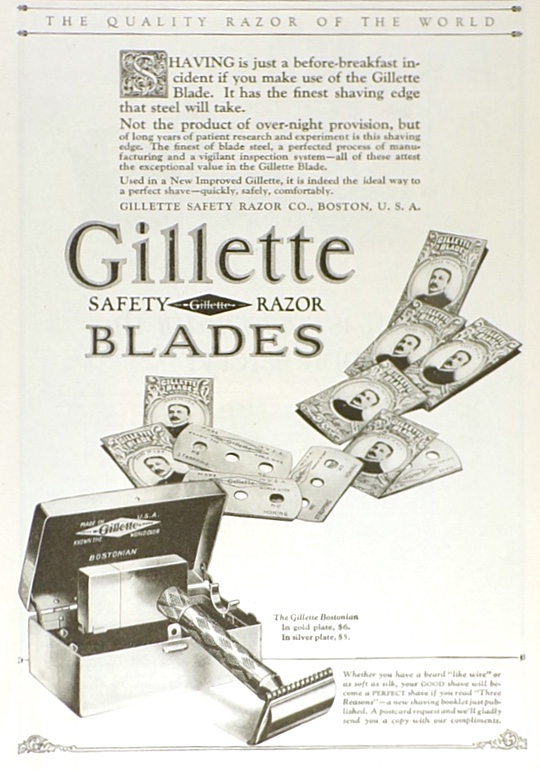
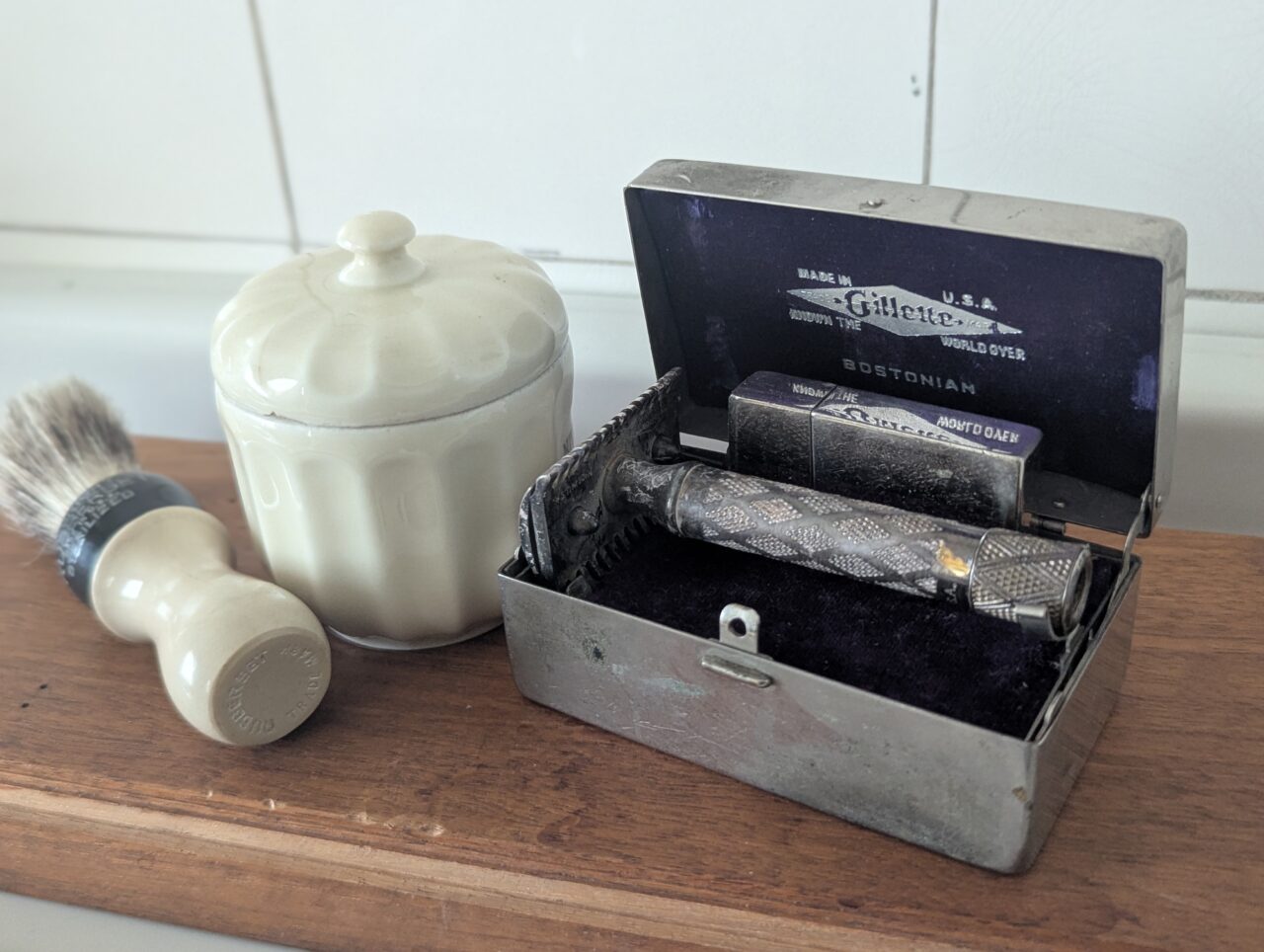
Enter King Camp Gillette. In 1901, he patented the disposable double-edge blade, but the challenge was huge: it had to be thin, strong, and cheap. That's where MIT chemist William Emery Nickerson came in. Not only did he make it work, he built the machines to mass-produce the blades – earning stock in Gillette's new company for his genius.
The American Safety Razor Company was born in 1901 (renamed Gillette in 1904). Sales started slow, but by year two, they were flying off the shelves. International expansion followed, and then World War I gave the company a massive boost: American soldiers got shaving kits with Gillette razors, and millions kept using them long after returning home.
Fast forward to today: cartridge and disposable razors dominate, alongside electric shavers, creams, gels, and aftershave products – a global shaving market expected to hit $42.15 billion by 2029. From barbershop nicks to billion-dollar industry, the journey of the safety razor is a true slice of history.