Radio: Waves of Progress
Radio was America's first true form of mass media. Few inventions have changed daily life so completely. What began as scientific curiosity quickly became a powerful way to share news, music, and stories, helping usher the nation into the modern age.
The roots of radio reach back to the 19th century. In 1864, scientist James Clerk Maxwell theorized the existence of electromagnetic waves. A few decades later, Heinrich Hertz proved those waves were real, and inventors like Nikola Tesla and Guglielmo Marconi developed ways to transmit and receive them. By 1920, radio was ready for the public and radio stations began to appear.
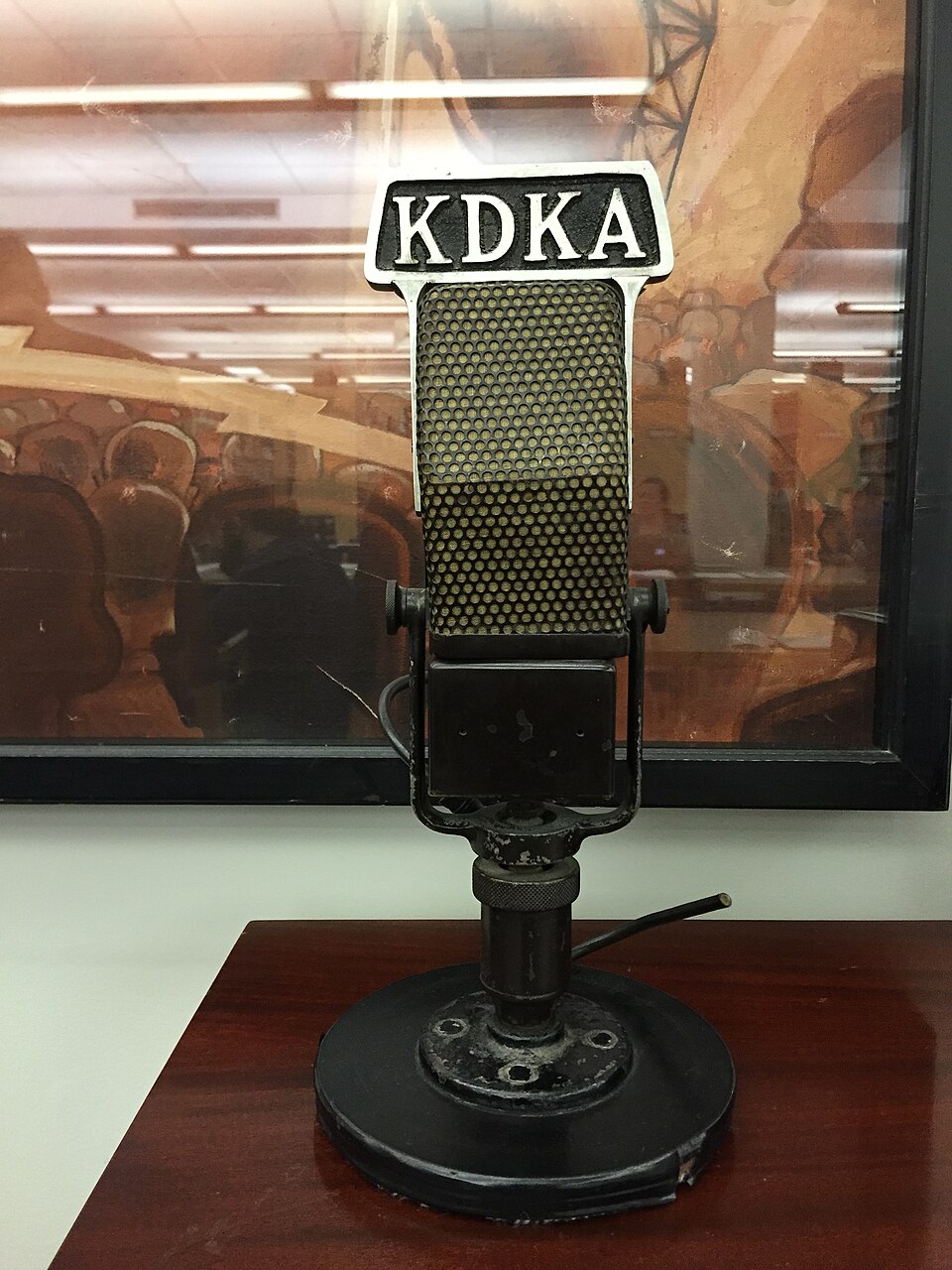
The first licensed American radio station was KDKA in Pittsburgh in 1920 which aired the results of the presidential election. By 1922, more than 500 radio stations were broadcasting across the United States, as Americans eagerly purchased radios in every style and price range.
During the 1920s and 1930s, radio transformed the home. Families gathered each evening to listen to music, sports, weather, and news. Popular shows ranged from comedies and westerns to mysteries and children's programs. Radio introduced Americans to jazz, made celebrities household names, and turned advertisers and jingles into part of everyday life.
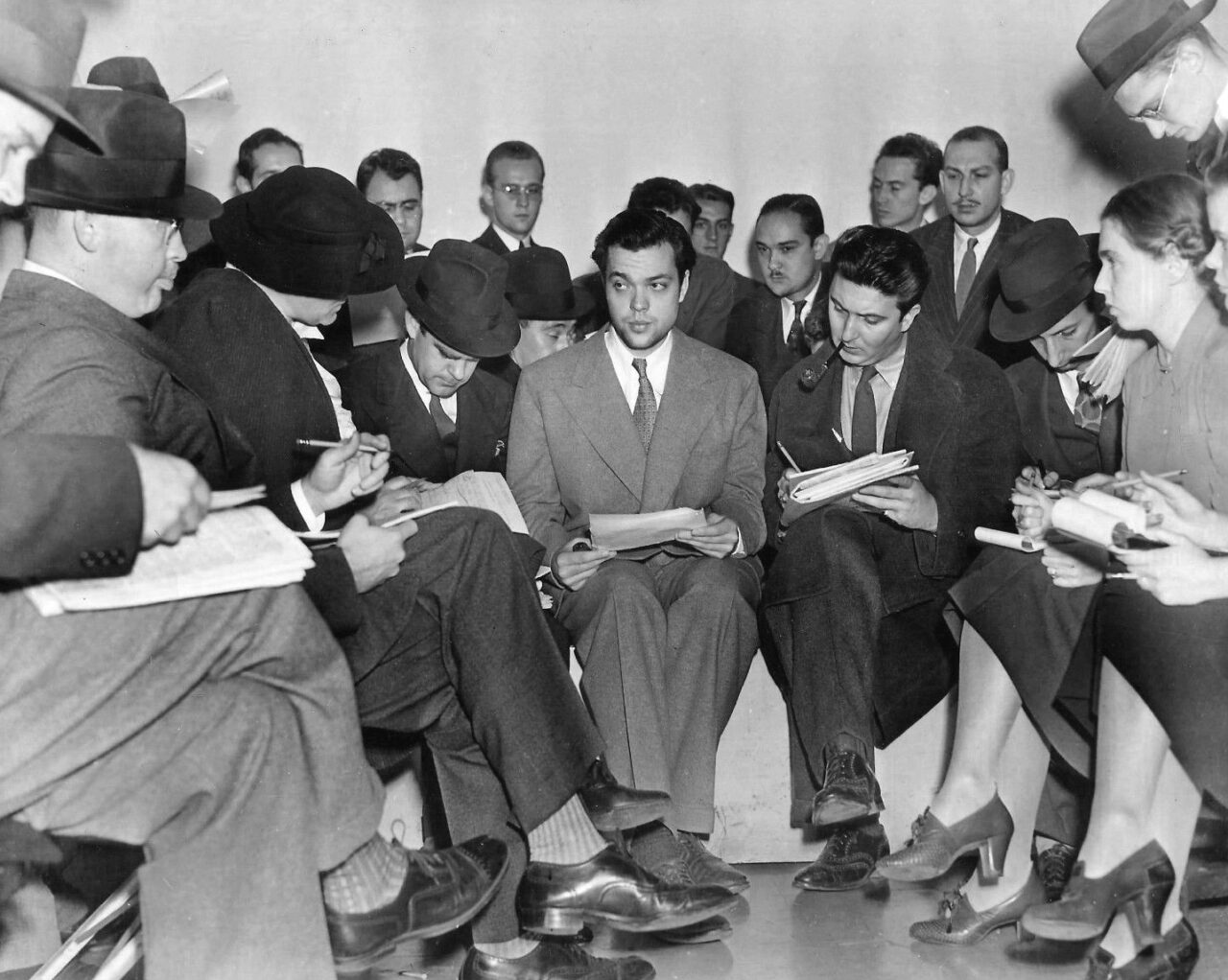
Radio also became a powerful social force. During the Great Depression, President Franklin D. Roosevelt's \"fireside chats\" brought reassurance and unity into millions of homes. At the same time, radio showed its influence—and its risks—during events like Orson Welles' 1938 broadcast of War of the Worlds, which famously caused panic among some listeners who believed the fictional story was real.
Despite criticism and calls for regulation, radio did something entirely new: it helped create a shared national experience. Americans from different regions could hear the same news, cheer the same sports moments, and mourn or celebrate together.
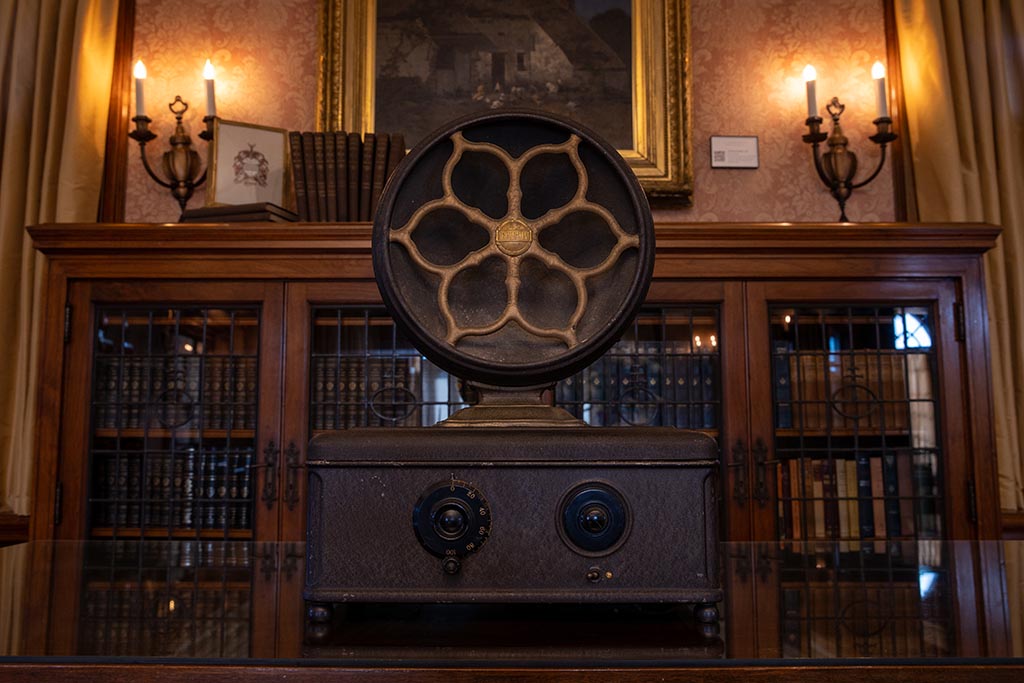
The radio on display in the American Innovations Tour is an Atwater Kent, made by one of the leading radio manufacturers of the era, based in Philadelphia—a reminder of the device that connected a nation through sound.