Crayola: Coloring a Nation
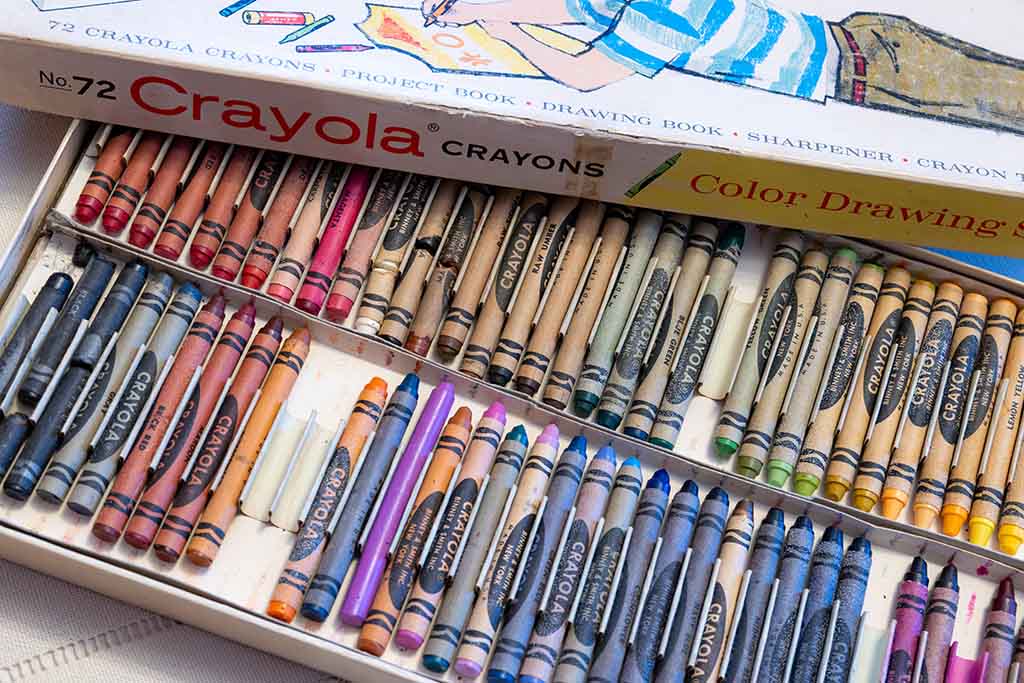
Safe, sturdy, and affordable, Crayola crayons have been part of childhood for more than a century, encouraging artistic expression through bright, pigmented sticks of wax. Today they're a staple of backpacks across the country, but their story begins not in a classroom, but in industry.
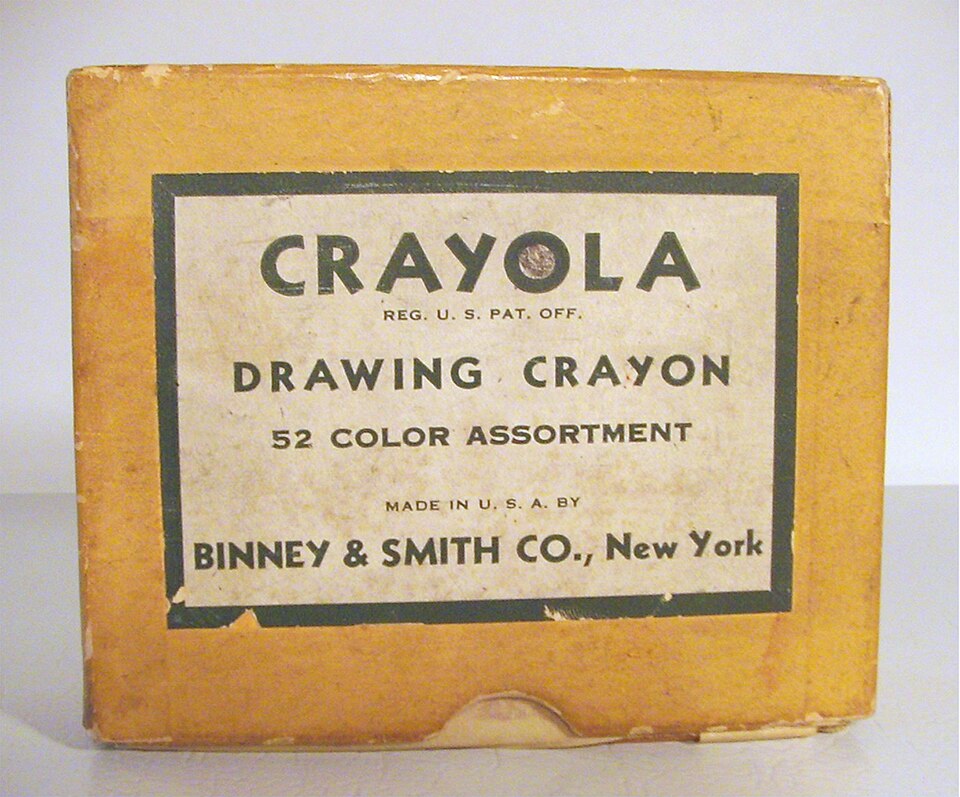
The Crayola brand originated with the Binney & Smith Company of Easton, Pennsylvania, which was founded by cousins Edwin Binney and C. Harold S. Smith. They began as an industrial pigment supplier in the late 19th century, producing red oxide for barn paint and carbon black used in printers' ink and automobile tires. By 1900, they began manufacturing slate pencils for schools, followed by Staonal marking crayons in 1902. Coincidentally, the same year the company officially incorporated.
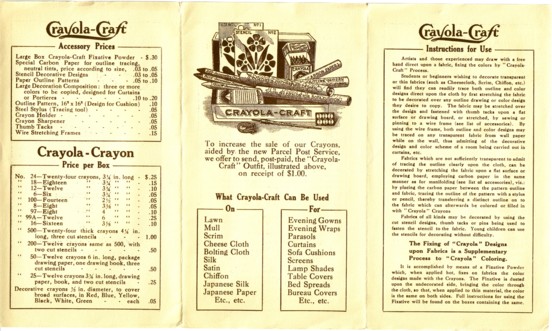
In 1903, the cousins introduced a new idea: a line of wax crayons designed specifically for children. The name \"Crayola\" was coined by Edwin's wife, Alice Stead Binney, combining the French word craie (chalk) with oleaginous, a term referring to paraffin wax. The first sets contained eight colors—red, blue, green, yellow, purple, brown, orange, and black—and sold for just five cents, making creative tools accessible to families everywhere.
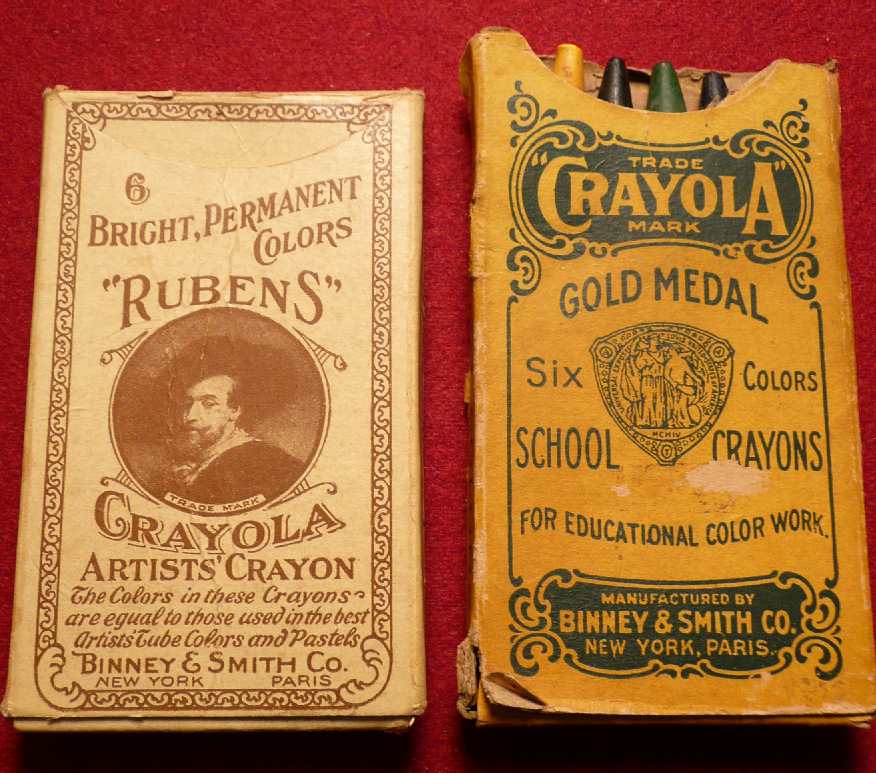
In 1904, the crayons were marketed as \"Gold Medal\" crayons, inspired by the company's award-winning dustless white chalk, which earned a gold medal at the 1904 St. Louis World's Fair. As public education expanded in the early 20th century, Crayola crayons quickly became a classroom essential.
Over the decades, the Crayola palette grew alongside American imagination, with colors gaining expressive names like Burnt Sienna and Cerulean. The company also expanded its offerings to include colored pencils, markers, paints, and modeling clay—while maintaining its commitment to non-toxic, easy-to-clean, child-safe materials.
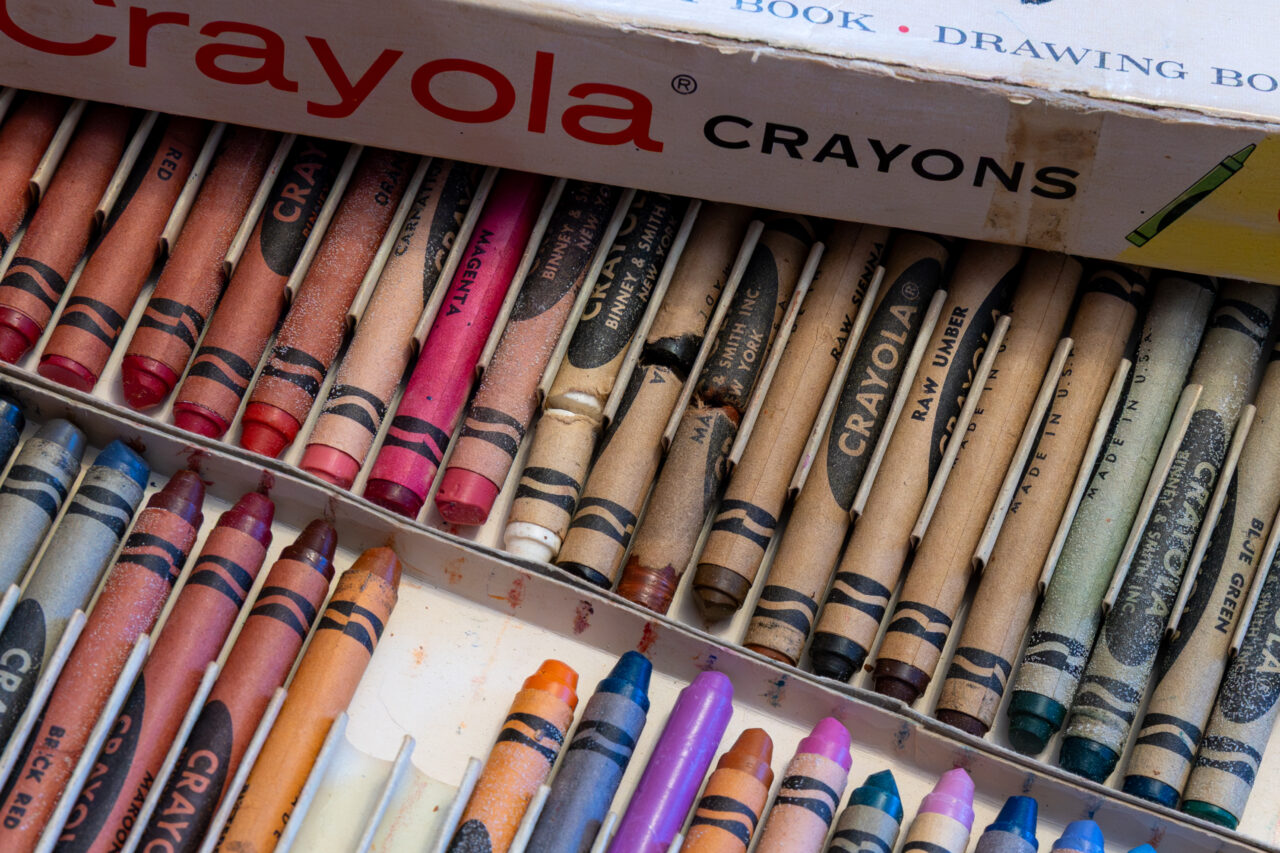
More than an art supply, the Crayola crayon represents innovation at its most human: turning industrial pigments into tools for creativity, learning, and self-expression. For generations of children, peeling back that paper label and choosing a color was often the first step in telling a story—and seeing the world in brighter shades.